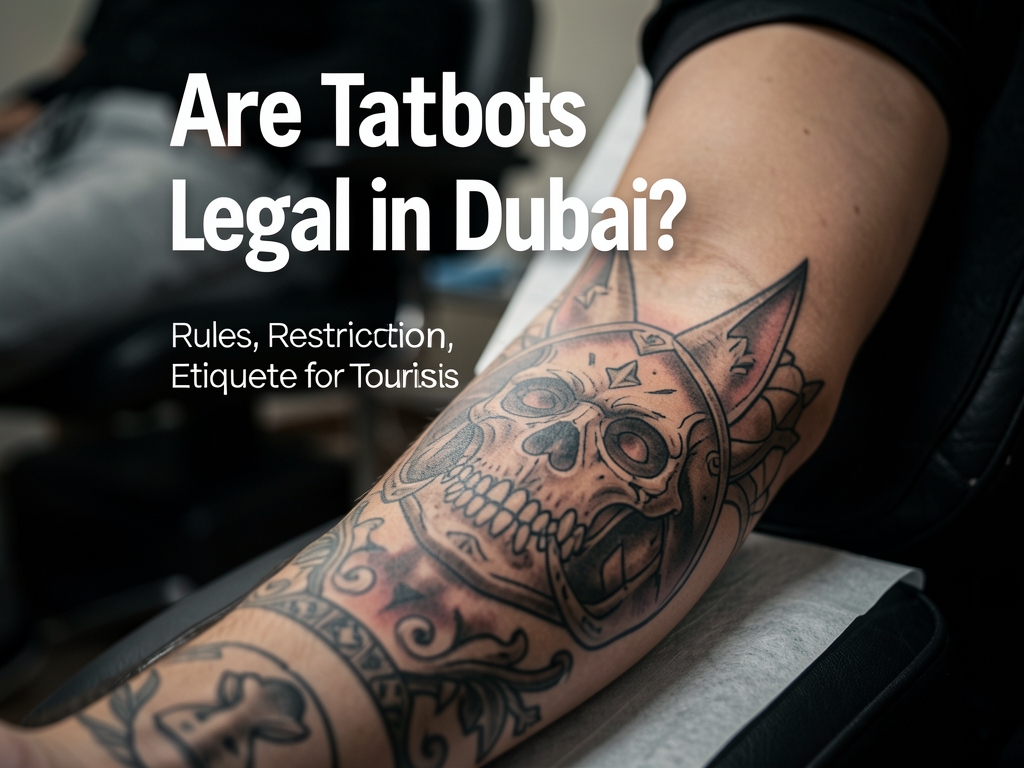
Are Tattoos Legal in Dubai? Rules, Restrictions, and Etiquette for Tourists
In my experience guiding tourists through Dubai’s cultural landscape, I’ve found that tattoo legality often creates confusion. The short answer is yes, tattoos are legal in Dubai, but with significant cultural and practical considerations that visitors must understand before getting inked or displaying existing tattoos.
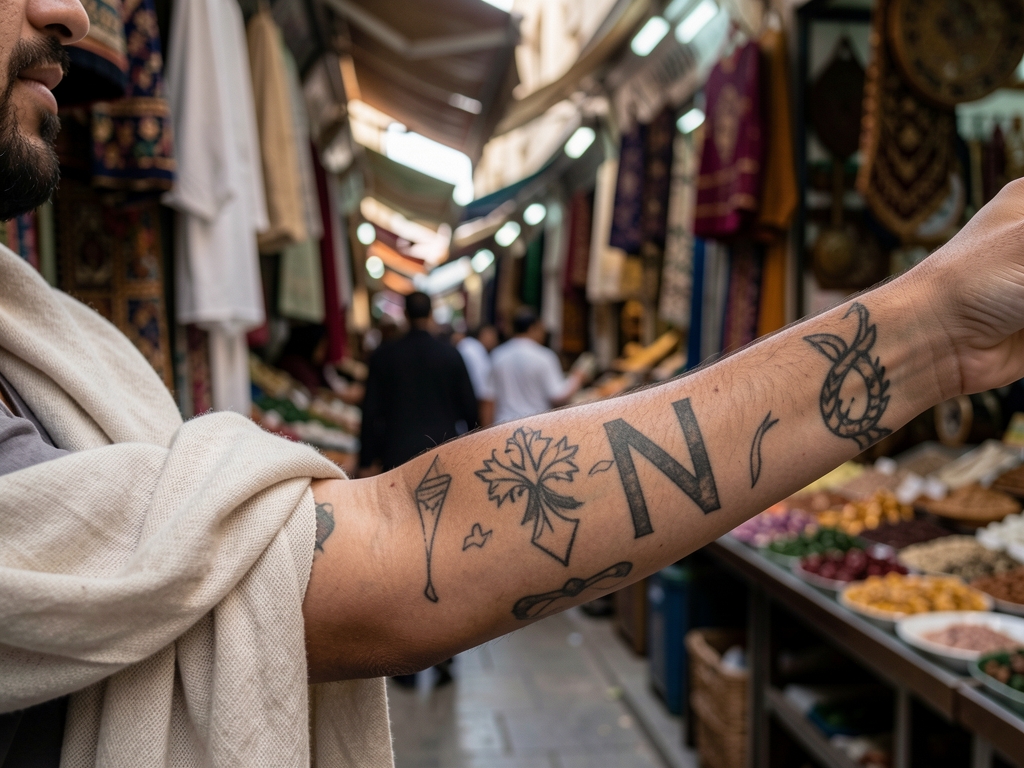
As someone who has advised numerous expats and travelers on UAE regulations, I can tell you that while Dubai doesn’t criminalize tattoos outright, the emirate operates within a conservative Islamic framework where visible body art can raise eyebrows. This doesn’t mean you’ll face legal penalties for having a tattoo, but understanding the social context is crucial for a respectful visit.
What Does UAE Law Actually Say About Tattoos?
UAE federal law contains no specific prohibition against tattoos for adults. However, I always remind my clients that Islamic traditions generally discourage permanent body modification, which influences social perceptions across the emirates. The key distinction lies between legality and social acceptability.

Dubai’s approach focuses more on public decency laws than tattoo-specific regulations. Authorities primarily concern themselves with offensive imagery rather than the act of tattooing itself. This nuanced stance means tourists won’t get arrested for having tattoos, but they might encounter situations where discretion is advised.
Where Can You Legally Get a Tattoo in Dubai?
Licensed tattoo studios operate legally in Dubai under strict health and safety regulations. I’ve verified that establishments like Inka and Into the Skin Tattoos maintain proper certifications from Dubai Health Authority, ensuring sterile procedures and qualified artists.
These studios require clients to be over 18 and often request identification. While getting tattooed is permitted, I advise tourists to consider timing – fresh tattoos need proper aftercare that might be challenging during active sightseeing in Dubai’s climate.
Cultural Etiquette: Displaying Tattoos Respectfully in Public
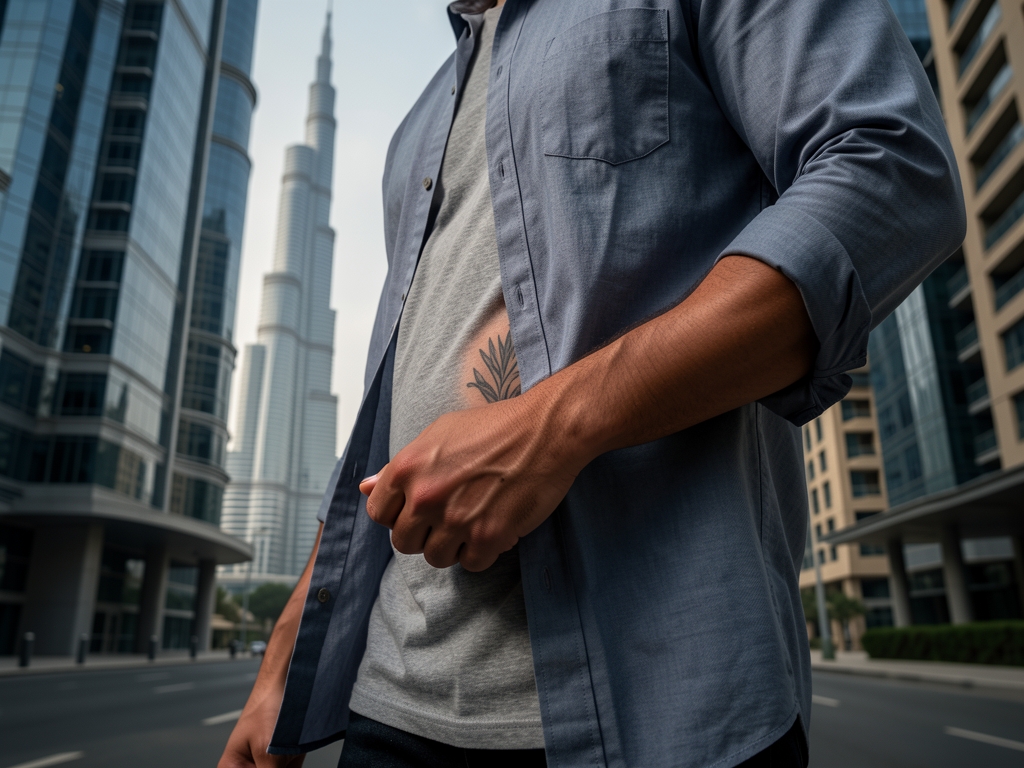
Based on years of observing tourist interactions, I recommend covering tattoos in certain contexts despite their legal status. Government buildings, mosques, and traditional neighborhoods often expect more conservative dress codes where visible tattoos might attract unwanted attention.
The rule of thumb I share with my clients: when in doubt, cover up. Beach resorts, international hotels, and tourist zones are generally more accepting, but local markets and residential areas warrant discretion. This approach shows respect for Emirati culture while avoiding potential misunderstandings.
Comparison: Tattoo Policies Across UAE Emirates
| Emirate | Legal Status |
|---|---|
| Dubai | Legal with cultural considerations |
| Abu Dhabi | Legal, similar social norms |
| Sharjah | Legal but more conservative |
| Other Emirates | Legal, varying local attitudes |
This table reflects my research across all seven emirates, showing consistent legality but differing social expectations. I’ve found that Sharjah tends to be the most traditional in its outlook, while Dubai and Abu Dhabi offer more flexibility for expats and tourists in international zones.
What Tourists Should Know Before Getting Inked in Dubai
From my professional standpoint, I emphasize three critical factors for tourists considering tattoos in Dubai: studio verification, aftercare planning, and cultural timing. Always choose DHA-licensed establishments to ensure safety standards are met.
Consider getting tattoos toward the end of your trip to allow proper healing time. I’ve seen too many clients compromise their tattoo quality by exposing fresh ink to Dubai’s sun, sand, and chlorinated pools too soon. Planning ahead prevents both health issues and cultural missteps.
Common Misconceptions About Tattoos in Dubai
One persistent myth I frequently debunk is that tattoos are banned in Dubai – this simply isn’t true based on current UAE legislation. Another misconception is that having a tattoo will automatically result in denied entry or legal trouble, which my clients’ experiences consistently disprove.
The reality is far more nuanced: while tattoos aren’t illegal, displaying offensive religious or political imagery could violate public decency laws. I advise avoiding designs that might be construed as disrespectful to Islam, UAE leadership, or local customs to ensure a smooth visit.
FAQ: Tattoos in Dubai for Tourists
Can I show my tattoos at Dubai beaches and pools?
Yes, you can display tattoos at most hotel beaches, private pools, and international resort areas in Dubai. However, I recommend checking specific venue policies as some family-oriented facilities may have dress codes. Public beaches generally follow more conservative norms, so discretion is advised there.
Do I need to declare my tattoos when entering the UAE?
No, there is no requirement to declare tattoos on UAE immigration or customs forms. I’ve guided hundreds of clients through Dubai International Airport without any tattoo-related inquiries from officials. Focus instead on standard declarations for goods, currency, and prohibited items.
Are temporary tattoos or henna treated differently?
Temporary tattoos and henna are widely accepted and even encouraged as cultural experiences in Dubai. I often suggest henna as a respectful alternative for tourists wanting body art without permanence, especially when visiting traditional areas or during cultural festivals.
What happens if someone complains about my tattoo?
If approached by authorities regarding tattoo concerns, remain polite and cooperative. In my experience, most situations involve requests to cover up rather than legal action, particularly if the tattoo isn’t offensive. Having respectful dialogue usually resolves such encounters quickly.